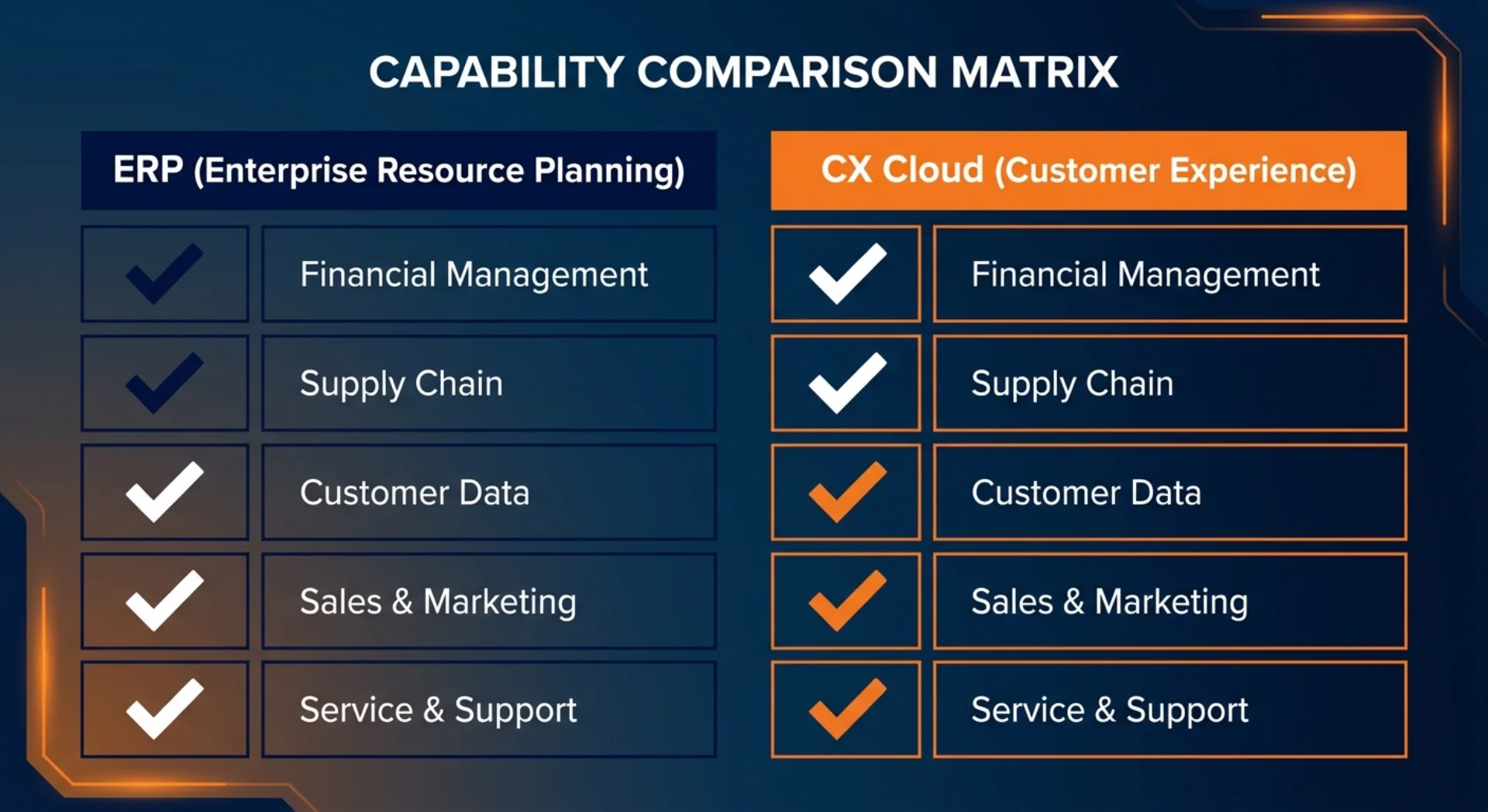
What S/4HANA Public Cloud Gives You Natively vs What Needs Sales/Service Cloud V2

Spadoom
SAP CX Partner & Consultancy
Does S/4HANA Public Cloud include CRM? It’s the question we hear most from DACH companies evaluating their SAP landscape.
The short answer: S/4HANA Public Cloud includes transactional sales functionality (orders, quotations, billing) but it is not a front-office CRM. Pipeline management, lead-to-cash workflows, and omnichannel service are outside its native scope. That’s what Sales Cloud V2 and Service Cloud V2 exist for.
This post maps the boundary so you can decide what you actually need.
Does S/4HANA Public Cloud include CRM?
S/4HANA Public Cloud is an ERP system. Its sales capabilities are built to process transactions, not to manage sales activity. That distinction gets blurred in vendor conversations, and it causes real problems when companies build their landscape assumptions around it.
Here’s what S/4HANA does in the customer-facing layer: it records what happened. A quotation was created. A customer placed an order. An invoice was issued. These are transactional records: accurate, auditable, ERP-grade.
What it doesn’t do: it won’t help your sales team see what’s likely to happen next. No opportunity pipeline. No lead scoring. No deal stage tracking. No guided selling. Those tools live in Sales Cloud V2.
The same logic holds on the service side. S/4HANA processes returns and warranty claims through standard order flows. It doesn’t route inbound customer contacts, manage SLA timers, or give agents a unified view across phone, email, and web. That’s Service Cloud V2’s job.
This isn’t a product gap. It’s the original design: ERP handles back-office precision, CX cloud handles front-office productivity. Trouble starts when companies assume one system does the work of both.
What S/4HANA Public Cloud covers natively
S/4HANA Public Cloud ships with solid, SAP-standard sales and order management. No extra products needed for the following:
Sales orders, delivery processing, goods issue, billing: the full order-to-cash cycle is in the core. It’s mature, well-integrated with logistics and finance, and handles the back-office side of a sale cleanly.
Standard sales documents (inquiries, quotations, contracts) are supported natively. Pricing conditions and customer-specific pricing live in S/4HANA and flow into Sales Cloud V2’s quoting screen once you add the CX layer.
The Business Partner model is the authoritative record for customer and supplier data. When you integrate Sales Cloud V2, the Business Partner master flows outward; S/4HANA stays the source of truth.
Within S/4HANA’s UI, users can pull up an account’s order history, open deliveries, billing documents, and credit status. That’s an ERP view of the customer (what happened in the back office), not a pipeline view. It tells you what was sold, not what’s in progress.
Basic returns and credit memos are handled natively through standard reversal flows. That’s different from omnichannel case management, which requires Service Cloud V2.
In practice, DACH companies on S/4HANA Public Cloud without the CX cloud layer manage sales activity in spreadsheets, shared inboxes, or bolt-on tools. The ERP gives them accurate order data and nothing on the pipeline. Sales Cloud V2 fixes that.
What needs Sales Cloud V2
Sales Cloud V2 is the front-office layer: everything that happens before an order exists in S/4HANA, and everything that helps salespeople get there.
Pipeline and opportunity management: lead capture, opportunity stages, weighted pipeline, deal reviews. None of this is in S/4HANA natively. When a customer shows interest, that activity lives in Sales Cloud V2 until it converts to a quotation or order.
In the integrated stack, leads arrive in Sales Cloud V2, progress through opportunities, generate quotations (with pricing from S/4HANA), and convert to orders that route automatically into S/4HANA for fulfilment. The handoff is clean. Without Sales Cloud V2, this workflow has nowhere to live.
SAP’s AI copilot Joule is embedded in Sales Cloud V2. It flags at-risk deals, recommends next actions, and drafts follow-up emails from call notes. Not available in S/4HANA’s sales module.
Field sales teams need structured call logs, meeting notes, and visit routes. Sales Cloud V2 handles this through activity and calendar integration. S/4HANA’s CRM-adjacent features here are thin.
Statistical and manager-adjusted revenue forecasting, rolled up by territory and product line, is a Sales Cloud V2 core function. S/4HANA’s demand planning is for supply chain, not commercial forecasting.
For how Sales Cloud V2 and S/4HANA Public Cloud connect technically, see our integrated stack guide. The SAP Sales Cloud V2 solution page covers what we implement and where it delivers the most value.
What needs Service Cloud V2
Service Cloud V2 covers the post-sale relationship: everything after the order lands in S/4HANA.
Phone, email, chat, web form, social: Service Cloud V2 routes all inbound contacts into a unified queue with a single agent view. S/4HANA processes returns through order-type transactions; it doesn’t aggregate multi-channel contacts into service cases.
SLA management (response time targets, automatic escalation when an SLA is at risk) is a Service Cloud V2 capability. S/4HANA doesn’t track service response times.
Agents in Service Cloud V2 have a structured knowledge base and AI-assisted article suggestions. This cuts resolution time without requiring agents to search across disconnected systems.
For companies that dispatch technicians or run on-site service, Service Cloud V2 integrates with SAP Field Service Management to schedule visits, track parts, and close work orders. Outside S/4HANA’s scope.
Post-service satisfaction surveys and NPS tracking are part of the Service Cloud V2 ecosystem. Not available natively in S/4HANA.
The SAP Service Cloud V2 solution page covers how we’ve built these for clients in the DACH market, including combined sales and service implementations. For a head-to-head against a single-vendor CRM suite, see our S/4HANA Public Cloud + Sales Cloud V2 vs Salesforce comparison.
Planning an implementation? The SAP S/4HANA Public Cloud solution page covers the ERP layer and how we sequence ERP and CX rollouts.
A capability decision table
“Native” means available in S/4HANA Public Cloud standard. “Needs Sales Cloud V2” or “Needs Service Cloud V2” means a separate licensed product is required.
| Capability | S/4HANA Public Cloud (native) | Needs Sales Cloud V2 | Needs Service Cloud V2 |
|---|---|---|---|
| Sales order creation and processing | ✓ | - | - |
| Quotation and contract management | ✓ | - | - |
| Billing and invoice management | ✓ | - | - |
| Business Partner (customer master) | ✓ | - | - |
| ERP customer 360 (order history, billing) | ✓ | - | - |
| Basic returns and credit memos | ✓ | - | - |
| Opportunity pipeline management | - | ✓ | - |
| Lead capture and lead management | - | ✓ | - |
| Sales activity logging (calls, visits, tasks) | - | ✓ | - |
| Commercial forecasting | - | ✓ | - |
| Joule AI copilot (guided selling) | - | ✓ | - |
| Quoting with live S/4HANA pricing | - | ✓ | - |
| Order handoff from Sales Cloud to S/4HANA | - | ✓ | - |
| Omnichannel case management (phone, email, chat) | - | - | ✓ |
| SLA tracking and escalation routing | - | - | ✓ |
| Agent knowledge base and article suggestions | - | - | ✓ |
| Customer satisfaction surveys | - | - | ✓ |
| Field service scheduling integration | - | - | ✓ |
One thing the table doesn’t show: S/4HANA Public Cloud and Sales Cloud V2 share data through SAP Integration Suite, so this boundary isn’t a wall. It’s a handoff. Quotation pricing from S/4HANA appears live in Sales Cloud V2’s quoting screen. Orders created in Sales Cloud route directly to S/4HANA for fulfilment. The systems work together; they handle different parts of the job.
The real question when evaluating an add-on isn’t whether S/4HANA can do it. In the front-office sense, it usually can’t. The question is whether your sales or service volume justifies a dedicated front-office system. For most DACH mid-market companies with a structured sales team or a service desk handling more than a few dozen cases per week, the math works.
We’ve run this full stack (S/4HANA Public Cloud with Sales Cloud V2 and Service Cloud V2) for clients in manufacturing, distribution, and professional services. Our 14-week median go-live covers integration and user adoption. Talk to us if you want to understand what the right scope looks like for your situation.
SAP Sales Cloud V2 implementation partner
Spadoom is the SAP Sales Cloud V2 implementation partner across Switzerland, Germany, Austria and Italy. 14-week median go-live. Live customers across DACH.
Related Articles
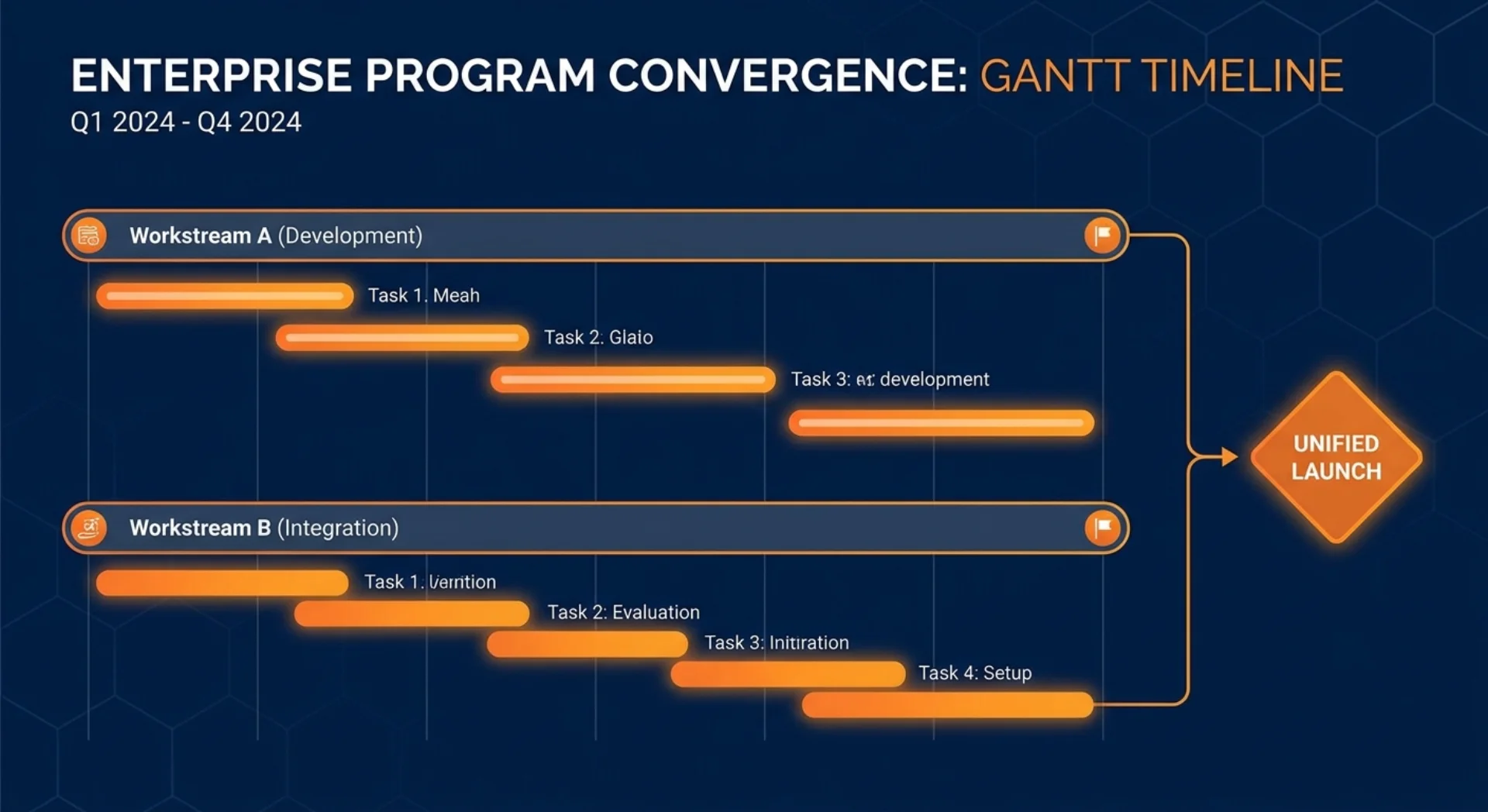
Rolling Out S/4HANA Public Cloud and Sales Cloud V2 Together: Sequencing, Timeline, Pitfalls
Should you implement S/4HANA Public Cloud and Sales Cloud V2 at the same time? The short answer: it depends on which system your business needs more urgently. Here's how to sequence it, what to sync between teams, and where projects typically fall apart.
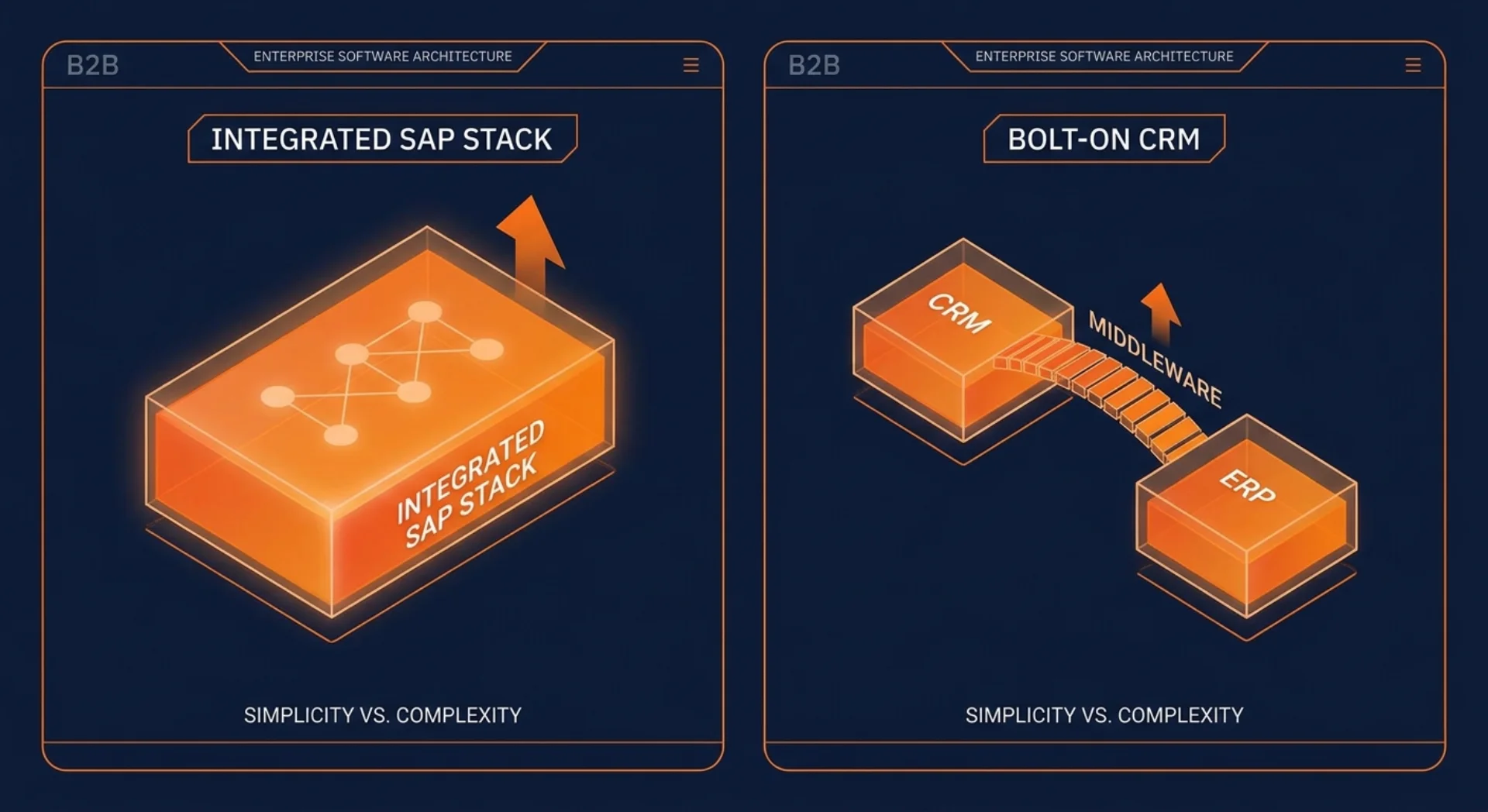
Why SAP Sales Cloud V2 Is the Right CRM for an S/4HANA Public Cloud Landscape
If you're running SAP S/4HANA Public Cloud, the best CRM is the one that doesn't need a middleware layer to talk to your ERP. That's SAP Sales Cloud V2.
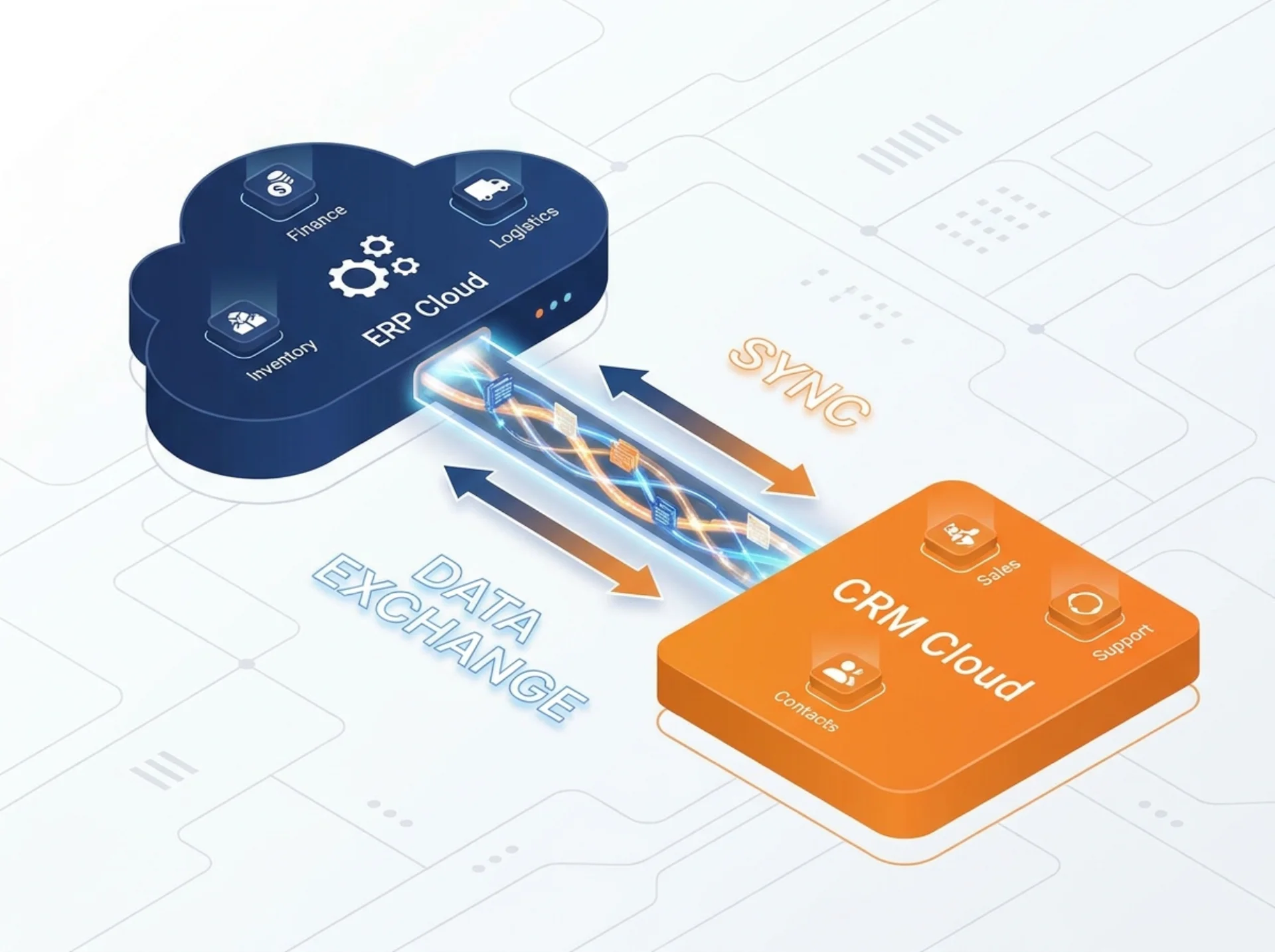
SAP S/4HANA Public Cloud + SAP Sales Cloud V2: The Integrated CX + ERP Stack
You don't need two CRM systems and two ERP systems. You need one clean data model. Here's how SAP S/4HANA Public Cloud and Sales Cloud V2 fit together, and how to implement them without creating a new mess.