
Examples of Cloud Computing
Spadoom Editorial
What is cloud computing?
The idea behind cloud computing dates back to the 1930s, when early distributed-computing concepts emerged from military research in the United States. Over the following decades the field advanced steadily, and the definition of cloud computing expanded along with it.
Today, cloud computing is a model of distributed computing that relies on a scalable, open system. Processing power is pooled from a network of independent machines, so tasks can be completed faster and more efficiently than on a single local device.
Put simply, cloud computing connects devices — laptops, smartphones, tablets — through a shared network. That interconnection provides high flexibility, and because infrastructure costs are spread across many users, it is remarkably cost-effective thanks to scalability and economies of scale.
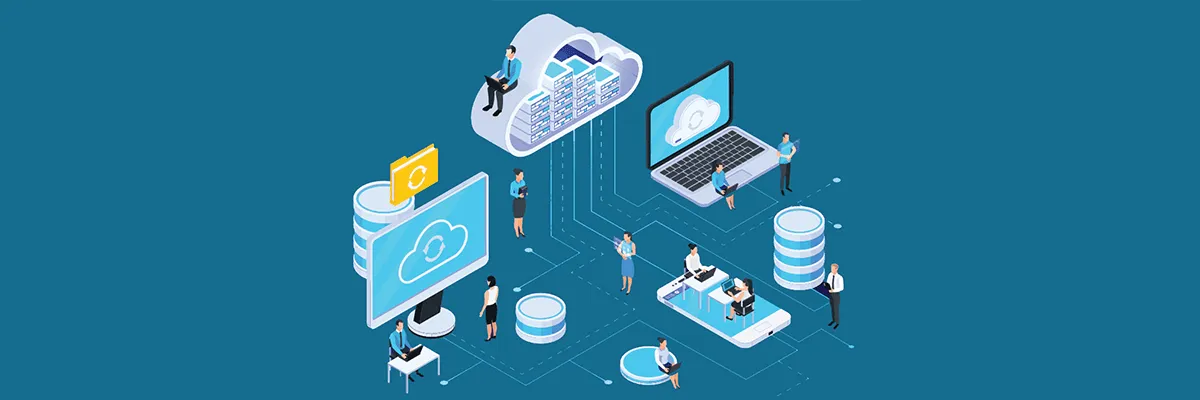
Everyday cloud computing examples
Take Dropbox: the application runs on physical servers that users access after signing up for an account. Once registered, you can upload, download, and store files directly in Dropbox from any device.
Users get convenient remote access because the service is available through web browsers and native apps on Android, iOS, and other platforms. You may not realise it, but you are already using cloud computing every time you open Gmail, Google Drive, Dropbox, or YouTube.
All of these services rely on cloud computing technology to deliver their functionality. They exist precisely because of the scalable infrastructure the cloud provides.
In recent years we have seen a massive shift toward cloud-based tools: Google Maps replacing printed atlases, spreadsheets giving way to cloud-hosted CRM systems, and address books becoming contacts synced across every device.
For small and mid-sized businesses, the benefits are especially significant.
What are the advantages of cloud computing for small businesses?
Cloud computing is extremely cost-effective for organisations — particularly for small business owners. It opens up choices and solutions that were once available only to large enterprises with dedicated IT departments.
Cloud platforms and services make it possible for smaller companies to compete on a level playing field with larger rivals. They also help small businesses grow faster by giving them access to highly effective and easily scalable infrastructure.
Adoption of cloud computing among small businesses is accelerating, and many wish they had made the switch sooner. Here are six areas where the advantages are clearest.
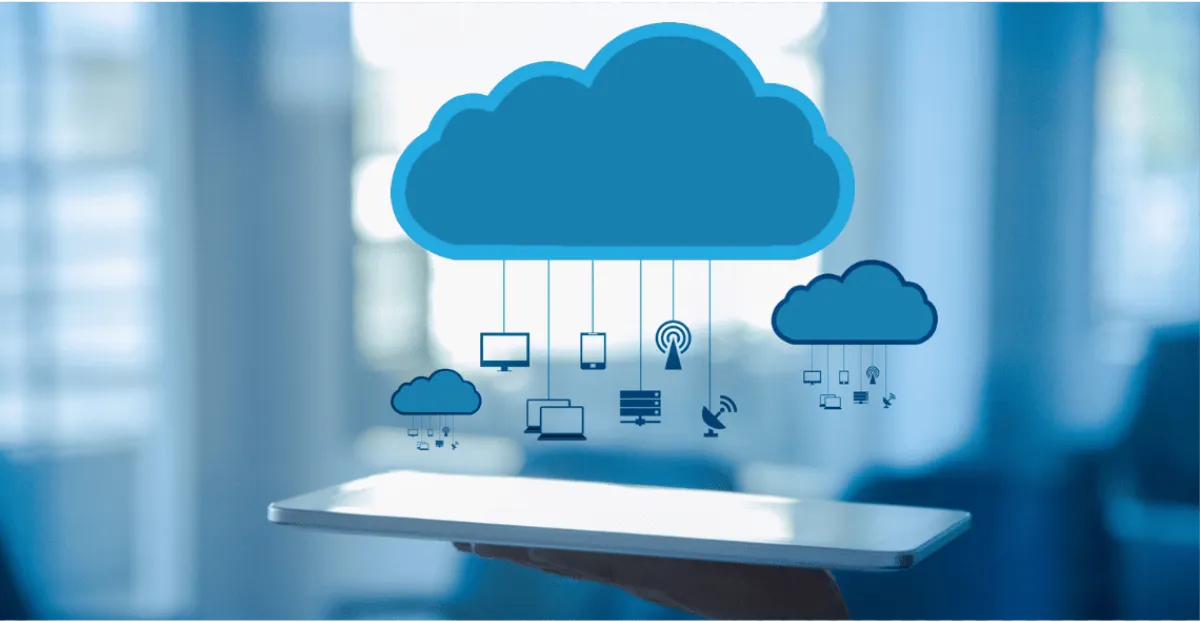
1. System reliability and protection
Studies show that 96% of small business owners report fewer concerns about downtime after moving to the cloud. 75% say the availability of their services improved as a direct result.
Cloud providers deliver a high level of security and uptime, handling infrastructure patches, application updates, and hardware maintenance on your behalf. If you lack the resources for round-the-clock IT support or unexpected hardware costs, cloud computing is a practical solution.
2. Consistent, hassle-free data storage
Daily backups of critical business data are essential — yet small companies often lack the resources to manage them in-house. Cloud infrastructure handles backups automatically, with no extra effort or cost on your part.
3. Flexibility
Adopting cloud computing enables small businesses to improve their customer service, stay current with the latest information, and make smarter, faster decisions.
Small firms use the cloud to scale quickly and keep flexibility affordable as they grow.
4. Lower maintenance costs
Technology upgrades can be expensive. With cloud computing, however, system maintenance, overhead, and security layers are included in the service — making them far more manageable.
Experts recommend that business owners evaluate cloud options during IT refreshes, new infrastructure assessments, and system upgrades to keep services available at a sustainable cost.
5. Remote working
Cloud-based IT systems make it straightforward and affordable to offer flexible working arrangements, which in turn boosts productivity. Small businesses can use cloud tools to attract talent and improve employee retention.
Work is no longer confined to the four walls of an office. With cloud technology, a coffee shop or a home desk can be just as productive as a corporate headquarters.
How secure is cloud computing?
Businesses switching to the cloud often raise concerns about data protection. While centralising data does introduce some risk, cloud providers invest heavily in security measures — and the cost is shared across their entire customer base.
Make sure your provider is affiliated with industry bodies such as the Cloud Security Alliance and the Cloud Industry Forum. Read your cloud contract carefully and understand the terms before committing.
6. Mobile access
Business users expect easy access to products and services on the go. Making your systems reachable from any mobile device is critical for staying competitive.
Cloud computing handles mobile accessibility with ease and without significant additional cost.
What does the future of cloud computing hold?
Industry analysts predict steady, continued growth in cloud adoption. Traditional businesses and small companies alike are expanding with the help of cloud infrastructure.
Analyst firm Forrester forecasts that the global cloud computing market will continue to grow significantly in the years ahead, driven by enterprise demand for SaaS (Software-as-a-Service) and PaaS (Platform-as-a-Service). These models allow businesses to scale software and hardware quickly and efficiently.
As ARM-based processors gain wider adoption, we can expect further reductions in cost, heat output, and energy consumption — making cloud infrastructure even more accessible.